AI Tools for Mental Health
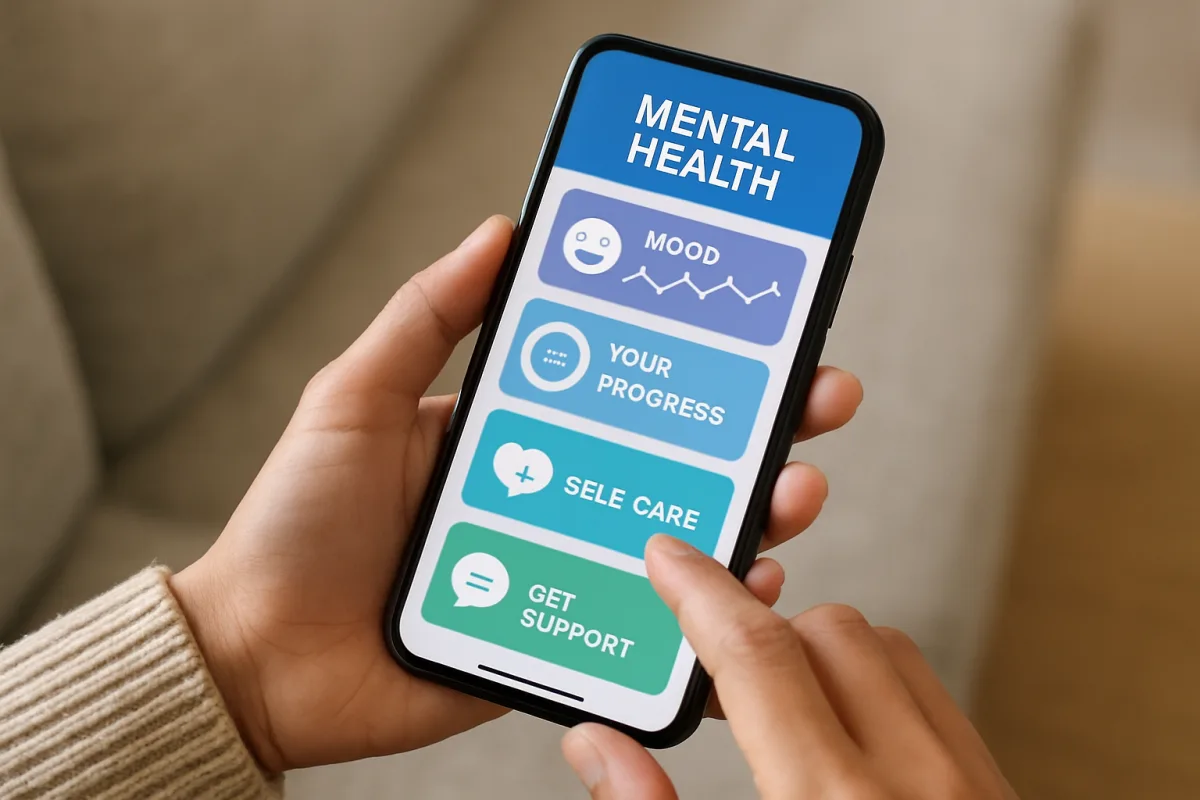
AI tools for mental health are designed to support emotional well-being through various applications, including therapy chatbots, mood tracking, and mindfulness apps. Notable options include Woebot, a chatbot providing cognitive behavioral therapy techniques, and Headspace, which offers guided meditations. These tools can be beneficial for individuals seeking immediate support or those looking to complement traditional therapy. Each tool has unique features, making it essential to choose one that aligns with personal needs and preferences.
Quick Summary
AI tools for mental health provide innovative support for emotional well-being. Options like Woebot and Headspace cater to different needs, from therapy chatbots to mindfulness practices. Selecting the right tool can enhance mental health management.
Curator Notes
AI tools for mental health are increasingly popular as they offer accessible support for individuals dealing with stress, anxiety, and other mental health challenges. These tools range from chatbots that provide therapeutic conversations to apps that help users track their moods and practice mindfulness. For instance, Woebot uses cognitive behavioral therapy principles to engage users in conversations that can help them manage their feelings and thoughts effectively.
This makes it a great option for those who prefer a conversational approach to mental health support. On the other hand, Headspace focuses on mindfulness and meditation, providing guided sessions that can help users reduce stress and improve their overall mental well-being. This tool is particularly beneficial for individuals looking to incorporate mindfulness practices into their daily routine.
Both tools exemplify how AI can enhance mental health care by providing immediate access to support and resources, making it easier for users to prioritize their mental health in a busy world.
Recommended Options
- Woebot: Best for Individuals seeking conversational therapy support Utilizes cognitive behavioral therapy techniques in a chatbot format for easy access. Signal checked: Highly rated on app stores with numerous positive user testimonials. Alternative to consider: Wysa, another AI chatbot focusing on mental health support.
- Headspace: Best for Users interested in mindfulness and meditation practices Offers a wide range of guided meditations and mindfulness exercises. Signal checked: Popular among users for its user-friendly interface and effective content. Alternative to consider: Calm, which also provides meditation and sleep aids.
- Moodfit: Best for Individuals wanting to track their mood and mental health progress Signal checked: Positive reviews highlighting its effectiveness in tracking mental health. Alternative to consider: Daylio, a mood tracking app with additional journaling features.
Best Sources
Videos and Community Signals
Check out Dr. K's Guide to Mental Health: https://bit.ly/3GaubzI Our Healthy Gamer Coaches have transformed over 10000 lives.
From mood-tracking apps to 24/7 chatbots that offer therapy-like support, AI tools are becoming increasingly popular, especially ...
Comparison
| Decision Point | Good Starting Choice | When to Go Further |
|---|---|---|
| Type of Support | Chatbot interaction for immediate support | Comprehensive mindfulness and meditation resources |
| User Engagement | Simple conversational prompts | In-depth guided sessions for deeper mental health practice |
| Tracking Capabilities | Basic mood tracking | Detailed analytics and progress tracking over time |
FAQ
Yes, many users find AI tools effective for managing stress and anxiety, especially as a supplement to traditional therapy.
While AI tools can provide support, they should not replace professional therapy for serious mental health issues.
Consider your specific needs, such as whether you prefer conversational support or mindfulness practices, and explore user reviews.