Compound vs Isolation Exercises
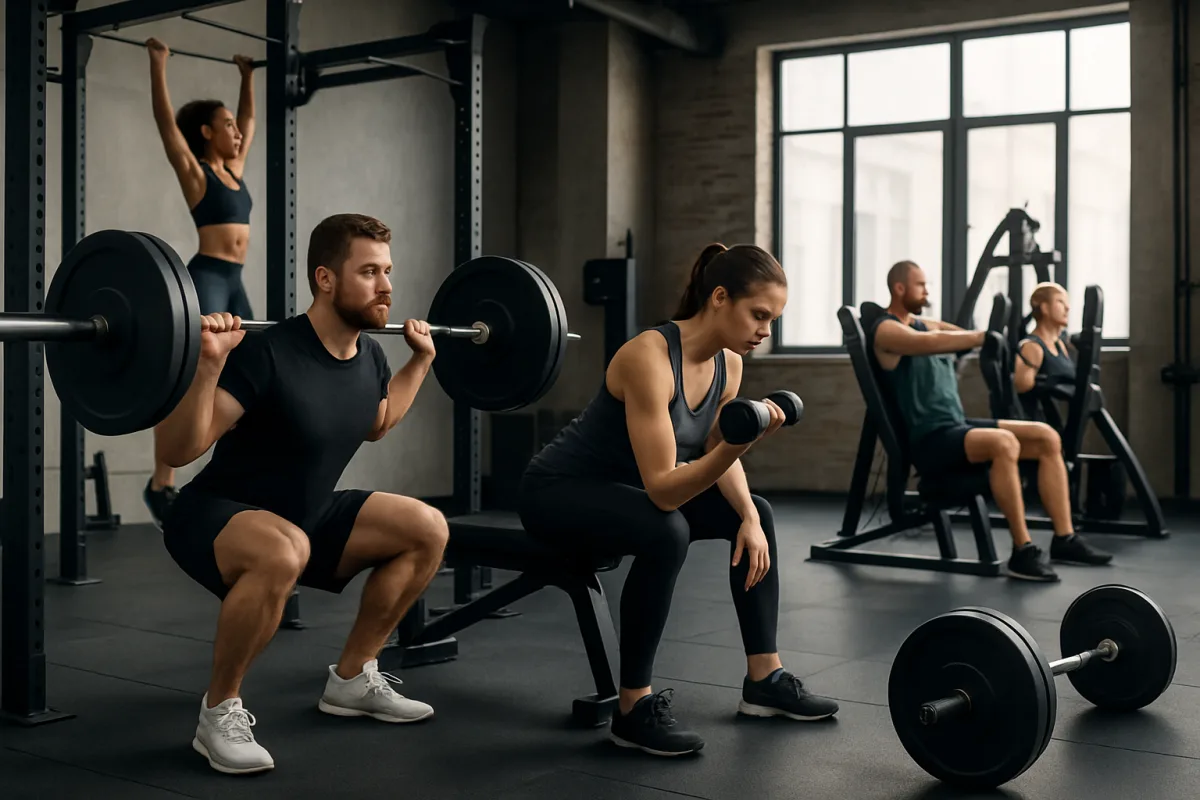
Compound exercises involve multiple muscle groups and joints, promoting overall strength and functional fitness. Examples include squats and deadlifts. Isolation exercises target a single muscle group, such as bicep curls or tricep extensions, focusing on muscle definition. Both types have their place in a balanced workout routine, depending on fitness goals.
Quick Summary
Understanding the difference between compound and isolation exercises is crucial for effective workout planning. Compound exercises engage multiple muscle groups, enhancing overall strength and coordination. In contrast, isolation exercises focus on specific muscles, aiding in muscle growth and definition. Choosing the right type depends on individual fitness goals and training needs.
Curator Notes
Compound exercises are movements that engage multiple joints and muscle groups simultaneously. They are highly effective for building overall strength and functional fitness. Common examples include squats, deadlifts, and bench presses.
These exercises not only promote muscle growth but also improve coordination and balance, making them ideal for athletes and those looking to enhance their physical performance. On the other hand, isolation exercises are designed to target a specific muscle group, allowing for focused muscle development. Examples include bicep curls, tricep extensions, and leg curls.
While they are excellent for muscle definition and rehabilitation, isolation exercises generally do not provide the same functional benefits as compound movements. Therefore, a balanced workout routine often incorporates both types to maximize strength and muscle growth.
Recommended Options
- Rogue Fitness Squat Rack: Best for Serious lifters looking to perform compound exercises safely. Rogue is known for its durable equipment and excellent customer service. Signal checked: Highly rated by users for stability and safety features. Alternative to consider: Power Rack from Titan Fitness.
- Dumbbells: Best for Home gym enthusiasts for both compound and isolation exercises. Versatile for a wide range of exercises, from curls to presses. Signal checked: Popular among fitness communities for their adaptability. Alternative to consider: Adjustable Dumbbells for space-saving.
- Resistance Bands: Best for Beginners and those looking for low-impact isolation exercises. Great for muscle activation and rehabilitation. Signal checked: Widely recommended by trainers for their effectiveness. Alternative to consider: Cable Machines for more resistance options.
Best Sources
Videos and Community Signals
Learn The 10 Easy-To-Follow Steps Anyone Can Use To Become An Online Trainer: https://king-keto.com/baller-life. ✓ Subscribe ...
Fitness lesson A compound movement uses a combination of muscle groups and joints. A popular example is the squat, which ...
Comparison
| Decision Point | Good Starting Choice | When to Go Further |
|---|---|---|
| Targeted Muscle Engagement | Isolation exercises focus on one muscle group, ideal for beginners. | Compound exercises engage multiple groups, better for overall strength. |
| Functional Fitness | Isolation exercises have limited functional application. | Compound exercises improve real-world strength and coordination. |
| Caloric Burn | Isolation exercises burn fewer calories due to lower intensity. | Compound exercises burn more calories, enhancing fat loss. |
FAQ
Yes, isolation exercises can effectively build muscle, especially when targeting specific areas.
Compound exercises can be safe when performed with proper form and supervision, but they carry a higher risk of injury if done incorrectly.
A balanced routine often includes 2-3 compound exercises followed by 1-2 isolation exercises for optimal results.