Digital Products Creators Can Sell
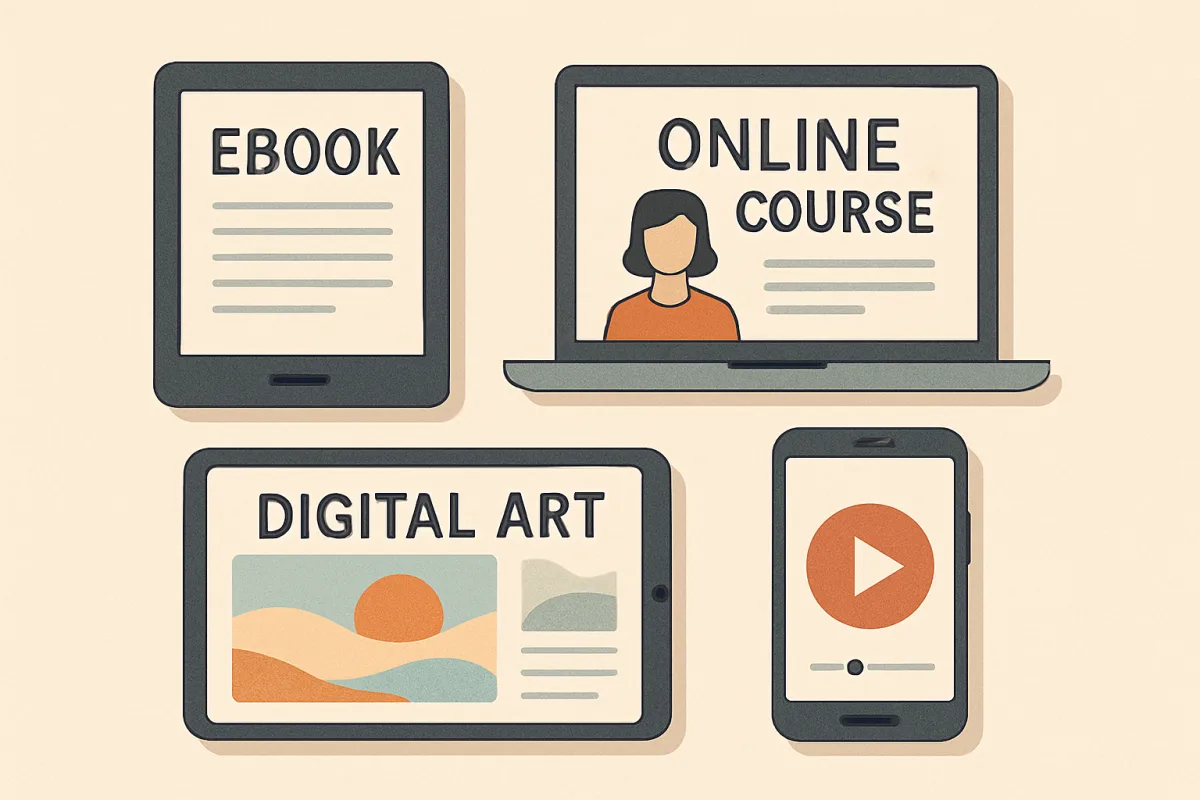
Creators can sell a variety of digital products, including eBooks, online courses, digital art, stock photos, and software. Each option caters to different audiences and requires varying levels of investment and expertise. For instance, eBooks are great for writers, while online courses suit educators. Digital art appeals to graphic designers, and stock photos are ideal for photographers. Software development can be lucrative for tech-savvy creators. Understanding your target audience and market demand is crucial for success.
Quick Summary
Digital products offer creators diverse opportunities for monetization. Options include eBooks, online courses, digital art, stock photos, and software. Each type has unique requirements and appeals to different audiences, making it essential for creators to align their offerings with market needs.
Curator Notes
Digital products have revolutionized the creator economy, allowing individuals to monetize their skills and knowledge without the overhead of physical goods. eBooks are a popular choice for writers, enabling them to share expertise or storytelling. They require minimal investment and can be distributed globally through platforms like Amazon Kindle.
Online courses are another lucrative avenue, perfect for educators and professionals looking to teach skills or knowledge. Platforms like Teachable and Udemy simplify course creation and marketing, making it accessible for anyone with expertise to share. For artists and photographers, digital art and stock photos present excellent opportunities.
Creators can sell their artwork on platforms like Etsy or Redbubble, while photographers can license images through sites like Shutterstock. These options require creativity and a strong portfolio but can yield high returns if marketed effectively. Lastly, software development is a growing field for tech-savvy creators.
Developing apps or tools can be complex but offers significant financial rewards, especially if the product meets a specific market need. Understanding your audience and their preferences is key to choosing the right digital product to sell.
Recommended Options
- eBooks: Best for Writers and educators Low production cost and global reach Signal checked: High demand on platforms like Amazon Kindle Alternative to consider: Online courses
- Online Courses: Best for Educators and professionals Ability to teach and monetize expertise Signal checked: Growing popularity on platforms like Udemy Alternative to consider: Webinars
- Digital Art: Best for Graphic designers and artists Creative expression with potential for high sales Signal checked: Successful sales on Etsy and Redbubble Alternative to consider: Print-on-demand products
- Stock Photos: Best for Photographers Passive income through licensing Signal checked: High demand on Shutterstock and Adobe Stock Alternative to consider: Custom photography services
- Software Development: Best for Tech-savvy creators High earning potential with the right product Signal checked: Successful apps generating revenue on app stores Alternative to consider: Freelance development services
Best Sources
Videos and Community Signals
Shop Inayah: https://theinayah.com/ Turn Your Knowledge Into Cash: https://masterclass.coachinayah.com/100kblueprint No ...
In this video, I share how much I made selling digital products for 90 days, I talk about the pros and cons of digital products, and ...
Comparison
| Decision Point | Good Starting Choice | When to Go Further |
|---|---|---|
| Investment Required | eBooks require minimal investment | Software development may require significant resources |
| Market Demand | Online courses are in high demand | Digital art may require a strong portfolio to succeed |
| Skill Level | eBooks can be created by anyone with writing skills | Software development requires technical expertise |
FAQ
Popular platforms include Amazon Kindle for eBooks, Udemy for online courses, Etsy for digital art, and Shutterstock for stock photos.
Utilize social media, email marketing, and content marketing to reach your target audience effectively.
Challenges include market saturation, pricing strategies, and building a customer base.