Healthy Grocery Budget Tips
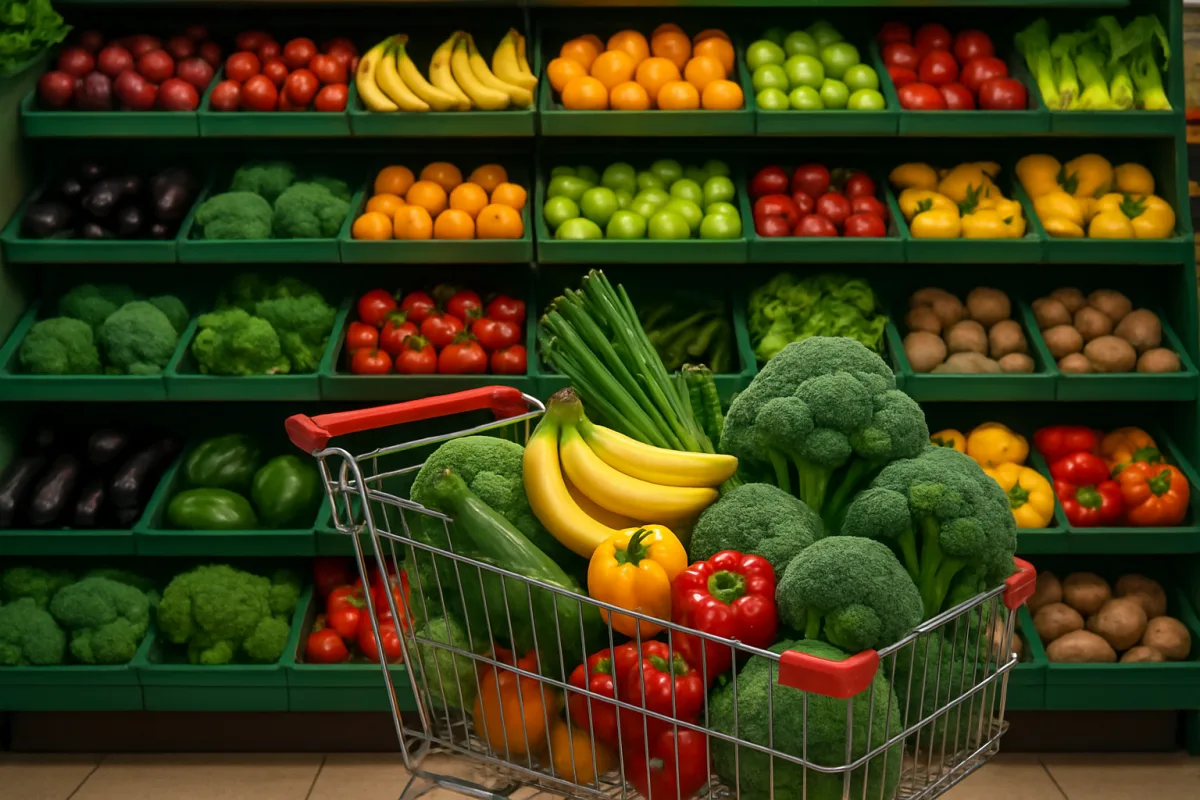
To maintain a healthy grocery budget, prioritize meal planning, buy in bulk, and choose seasonal produce. Start by creating a weekly meal plan that aligns with your dietary needs and preferences. This will help you avoid impulse purchases and reduce food waste. Buying in bulk can save money on staples like grains and legumes, while seasonal fruits and vegetables are often cheaper and fresher. Additionally, consider using coupons and loyalty programs to maximize savings. Finally, keep track of your spending to identify areas for improvement.
Quick Summary
Effective grocery budgeting is essential for maintaining a healthy diet without overspending. Start by meal planning to minimize waste and avoid impulse buys. Bulk purchasing can lead to significant savings on essentials, while seasonal produce offers freshness at lower prices. Utilizing coupons and loyalty programs can further enhance your savings. Tracking your grocery expenses will help you refine your budget over time, ensuring you stay within your financial limits while eating well.
Curator Notes
Establishing a healthy grocery budget begins with meal planning. By outlining your meals for the week, you can create a focused shopping list that prevents unnecessary purchases. This not only saves money but also reduces food waste, as you're less likely to buy items you won't use.
Meal planning can also help you incorporate a variety of nutritious foods into your diet, ensuring you meet your dietary goals without overspending. Buying in bulk is another effective strategy. Staples like rice, beans, and oats are often cheaper when purchased in larger quantities.
This approach can be particularly beneficial for families or individuals who cook frequently. However, it's essential to ensure that you have adequate storage space and that you will use the items before they expire. Seasonal produce is typically more affordable and fresher than out-of-season options.
Shopping at local farmers' markets or joining a community-supported agriculture (CSA) program can provide access to fresh, seasonal fruits and vegetables at lower prices. This not only supports local farmers but also encourages a diet rich in variety and nutrients. Utilizing coupons and loyalty programs can significantly enhance your grocery savings.
Many grocery stores offer digital coupons and rewards programs that can lead to discounts on your purchases. It’s worth taking the time to search for available coupons before shopping, as these can add up to substantial savings over time. Tracking your grocery spending is crucial for identifying patterns and areas for improvement.
Consider keeping a simple spreadsheet or using budgeting apps to monitor your expenses. This practice can help you stay accountable and make adjustments as needed to ensure you remain within your budget. Lastly, be mindful of marketing tactics that can lead to overspending.
Items placed at eye level or promoted as 'healthy' may not always be the best value. Always compare prices and read labels to make informed decisions. By applying these strategies, you can maintain a healthy diet while sticking to your grocery budget.
Best Sources
Videos and Community Signals
One of the things I hear from my patients repeatedly in the last year is that their money just doesn't go as far as it used to.
Disclaimer: The Dr. Gabrielle Lyon Podcast and YouTube are for general information purposes only and do not constitute the ...
Comparison
| Decision Point | Good Starting Choice | When to Go Further |
|---|---|---|
| Online booking | A simple booking page with service duration, staff assignment and confirmation emails. | Multi-location calendars, deposits, cancellation rules and waitlist handling. |
| Client records | Basic notes, visit history and contact details are enough to start. | Segmentation, purchase history, memberships, forms and before-after notes become more important. |
| Reminders | SMS or email reminders help reduce no-shows without adding admin work. | Automated rebooking, follow-up campaigns and missed-appointment recovery matter more. |
| Payments | Card capture and checkout should be simple and transparent. | Packages, memberships, staff commissions, tips and refunds need cleaner reporting. |
| Marketing | Light email or SMS campaigns are useful if they are easy to run. | Automated win-back, birthday offers, review requests and audience segments create more leverage. |
FAQ
Plan your meals ahead of time and create a shopping list based on what you need. Stick to the list to avoid buying items that may go unused.
Buying in bulk often leads to lower prices per unit, especially for non-perishable items. It also reduces packaging waste and can save trips to the store.
Use store apps for digital coupons, sign up for loyalty programs, and check local flyers for sales. Additionally, consider shopping at discount grocery stores.