How to Reduce Muscle Soreness
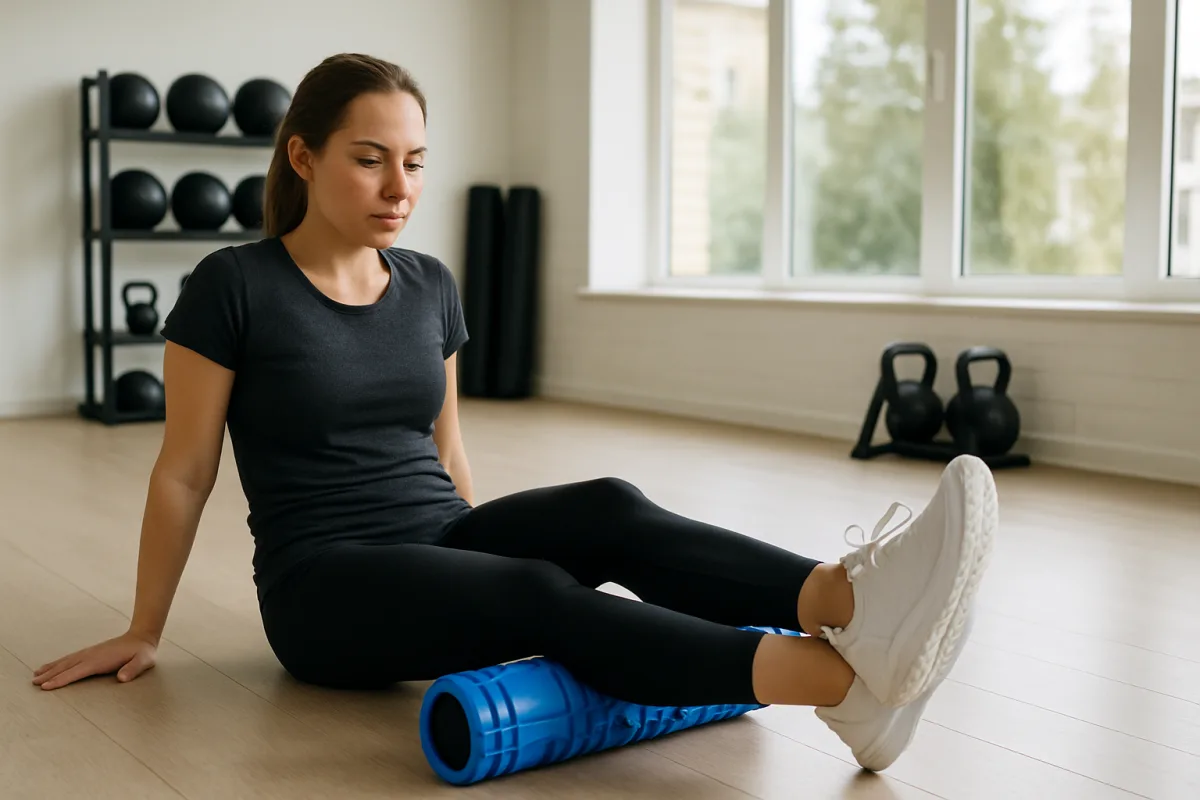
To effectively reduce muscle soreness, consider incorporating active recovery techniques, hydration, and proper nutrition into your routine. Gentle activities like walking or cycling can enhance blood flow, aiding recovery. Staying hydrated helps flush out toxins, while protein-rich foods support muscle repair. Additionally, techniques such as foam rolling or massage can alleviate tension and soreness. Always listen to your body and allow adequate rest between intense workouts to prevent excessive soreness.
Quick Summary
Muscle soreness can be a common after-effect of intense workouts, but there are effective strategies to mitigate it. Active recovery, hydration, and proper nutrition play crucial roles in alleviating discomfort. Engaging in light physical activities, maintaining hydration, and consuming protein-rich foods can significantly enhance recovery. Techniques like foam rolling and massage also help relieve muscle tension. Prioritizing rest and recovery is essential for long-term fitness success.
Curator Notes
Muscle soreness, often referred to as delayed onset muscle soreness (DOMS), typically occurs after intense exercise. Understanding how to manage this discomfort can enhance your overall fitness experience. Active recovery is one of the most effective methods.
Engaging in low-intensity activities, such as walking or cycling, can promote blood circulation, which helps in the recovery process. This approach not only alleviates soreness but also keeps you moving without overexerting your muscles. Hydration is another critical factor.
Drinking enough water before, during, and after workouts helps flush out lactic acid and other toxins that contribute to soreness. Aim for at least 8-10 glasses of water daily, and consider electrolyte-rich drinks if you’ve had an intense workout. Proper hydration supports muscle function and recovery, making it essential for anyone engaged in regular physical activity.
Nutrition plays a pivotal role in muscle recovery as well. Consuming protein-rich foods post-workout aids in muscle repair and growth. Foods like chicken, fish, eggs, and legumes are excellent choices.
Additionally, incorporating anti-inflammatory foods, such as berries, nuts, and leafy greens, can help reduce soreness. Timing your meals to include a protein source within 30 minutes after exercising can maximize recovery benefits. Foam rolling and massage are practical techniques to relieve muscle tension.
Foam rollers help break down knots and improve blood flow to sore areas. If you prefer a more hands-on approach, consider professional massages, which can provide deeper relief. Both methods can be integrated into your post-workout routine for optimal results.
Rest is equally important. Allowing your muscles time to recover is crucial for preventing excessive soreness. Incorporate rest days into your workout schedule, and listen to your body.
If you feel particularly sore, consider adjusting your routine to include lighter workouts or additional rest. Lastly, consider the role of supplements. Some athletes find relief from soreness with supplements like omega-3 fatty acids, curcumin, or branched-chain amino acids (BCAAs).
However, consult with a healthcare professional before starting any new supplement regimen to ensure it aligns with your health needs. By combining these strategies—active recovery, hydration, nutrition, foam rolling, and adequate rest—you can effectively manage muscle soreness and enhance your overall fitness journey.
Recommended Options
- TriggerPoint GRID Foam Roller: Best for Individuals looking for effective self-myofascial release Its unique grid design allows for targeted pressure and muscle relief. Signal checked: Highly rated by users for its durability and effectiveness. Alternative to consider: RumbleRoller for a more aggressive massage experience.
- Therabody Theragun Elite: Best for Those seeking deep tissue massage relief Signal checked: Widely recommended by athletes and physical therapists. Alternative to consider: Hypervolt Go for a more portable option.
- Optimum Nutrition Gold Standard Whey Protein: Best for Post-workout muscle recovery Signal checked: Consistently top-rated in fitness communities for taste and effectiveness. Alternative to consider: Dymatize Nutrition ISO100 for a lactose-free option.
Best Sources
Videos and Community Signals
Here's a quick tip to heal muscle soreness faster that I've used for years! It seems obvious to some, but others take their sleep as ...
Are you suffering with sore muscles? My #1 tip for reducing muscle soreness is… Light Exercise! I know, it sounds counterintuitive, ...
Comparison
| Decision Point | Good Starting Choice | When to Go Further |
|---|---|---|
| Recovery Method | Active recovery with light exercise | Incorporate foam rolling or massage for deeper relief |
| Hydration Strategy | Drink water regularly | Use electrolyte drinks post-exercise for better recovery |
| Nutrition Focus | Protein-rich meals post-workout | Include anti-inflammatory foods for enhanced recovery |
FAQ
Muscle soreness typically lasts between 24 to 72 hours, depending on the intensity of the workout.
Yes, light exercise can help alleviate soreness, but avoid intense workouts until you feel better.
Foods high in protein, such as chicken, fish, and legumes, along with anti-inflammatory foods like berries and leafy greens, are ideal.