Inflammation Tests Worth Getting
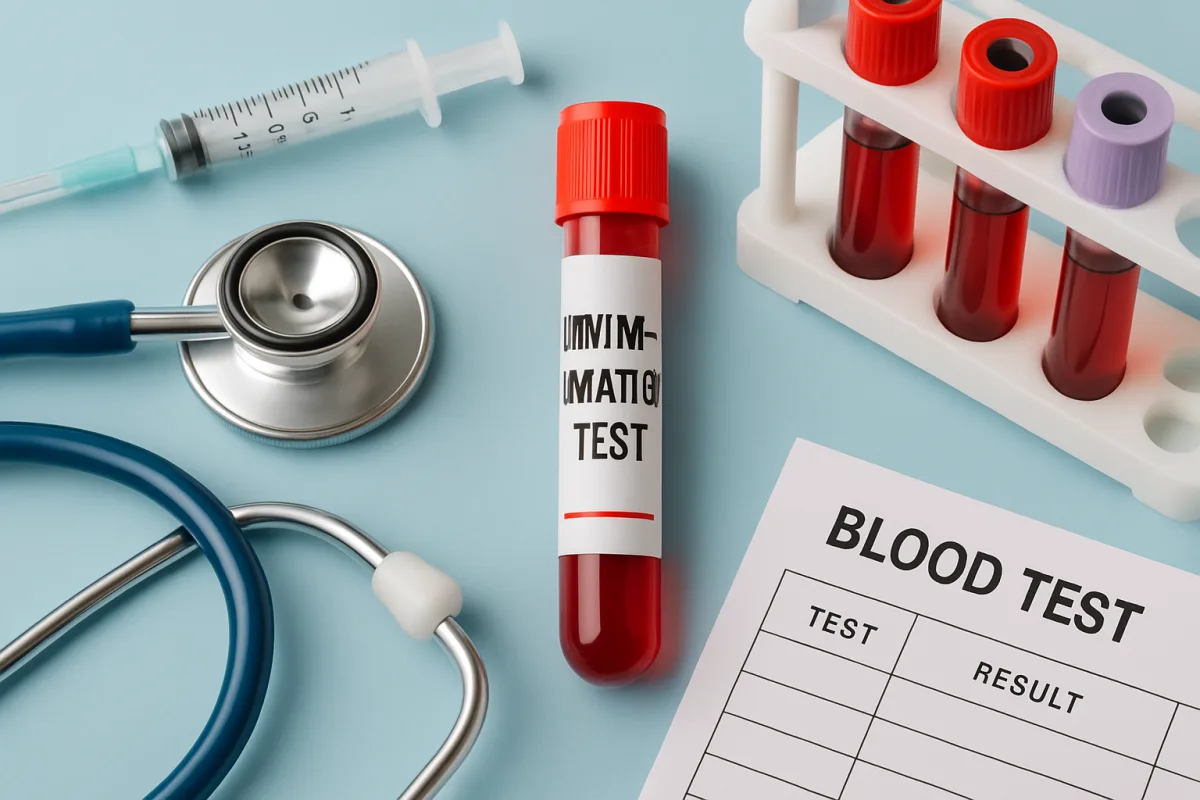
Inflammation tests can provide crucial insights into your health, especially if you're experiencing unexplained symptoms. Key tests include C-reactive protein (CRP), erythrocyte sedimentation rate (ESR), and interleukin-6 (IL-6) tests. CRP is widely used due to its quick results and ability to indicate acute inflammation. ESR is a more traditional test but can be influenced by various factors, making it less specific. IL-6 is a newer marker that can indicate chronic inflammation and is particularly relevant in autoimmune conditions. Choosing the right test depends on your symptoms and healthcare provider's recommendations.
Quick Summary
Understanding inflammation tests is essential for diagnosing various health issues. Key tests like CRP, ESR, and IL-6 can help identify inflammation levels in the body. CRP is favored for its rapid results, while ESR is more traditional but less specific. IL-6 is gaining attention for its role in chronic inflammation. Selecting the appropriate test should be guided by symptoms and medical advice, ensuring a tailored approach to your health.
Curator Notes
Inflammation tests are vital tools in diagnosing and monitoring various health conditions. They can help identify underlying issues that may not be immediately apparent through other examinations. The most commonly used tests include C-reactive protein (CRP), erythrocyte sedimentation rate (ESR), and interleukin-6 (IL-6).
Each test has its strengths and weaknesses, making it essential to understand their differences and applications. CRP is one of the most widely used tests due to its ability to provide quick results. It measures the level of C-reactive protein in the blood, which rises in response to inflammation.
This test is particularly useful for detecting acute inflammation and monitoring conditions like infections or flare-ups in chronic diseases. However, while CRP is effective for acute situations, it may not provide a complete picture for chronic inflammatory conditions. On the other hand, ESR is a traditional test that measures how quickly red blood cells settle at the bottom of a test tube.
While it can indicate the presence of inflammation, it is less specific than CRP and can be influenced by various factors, including age and anemia. Therefore, while ESR can be useful in some contexts, it may not be the best choice for all patients. IL-6 is a newer test that has garnered attention for its role in chronic inflammation and autoimmune diseases.
Elevated levels of interleukin-6 can indicate ongoing inflammation and are particularly relevant in conditions like rheumatoid arthritis or inflammatory bowel disease. However, IL-6 testing is less common and may not be available in all labs, which can limit its accessibility. When considering which inflammation test to pursue, it's essential to consult with a healthcare provider.
They can assess your symptoms and medical history to recommend the most appropriate test. Factors such as the speed of results, specificity, and the underlying health conditions you may have will influence this decision. In addition to these tests, lifestyle factors such as diet, exercise, and stress management can also play a significant role in inflammation levels.
Patients should consider a holistic approach to their health, integrating test results with lifestyle changes for optimal outcomes. Ultimately, understanding the nuances of inflammation tests can empower patients to make informed decisions about their health. By working closely with healthcare professionals, individuals can tailor their approach to inflammation testing and management, leading to better health outcomes.
Recommended Options
- C-Reactive Protein Test: Best for Individuals needing quick inflammation assessment Provides rapid results and is widely available Signal checked: Commonly used in clinical settings Alternative to consider: Erythrocyte Sedimentation Rate (ESR)
- Erythrocyte Sedimentation Rate Test: Best for Patients with chronic conditions requiring monitoring Long-established method for assessing inflammation Signal checked: Used for decades in clinical practice Alternative to consider: C-Reactive Protein Test
- Interleukin-6 Test: Best for Patients with autoimmune conditions Specifically indicates chronic inflammation Signal checked: Emerging research supports its relevance Alternative to consider: C-Reactive Protein Test
Best Sources
Videos and Community Signals
These tests are required if you want to test for inflammation in your body. These tests check for systemic or whole body ...
I get asked quite often how someone can find out if they have chronic inflammation. Here are 8 blood tests that your physician can ...
Comparison
| Decision Point | Good Starting Choice | When to Go Further |
|---|---|---|
| Speed of Results | C-Reactive Protein Test | Interleukin-6 Test |
| Specificity | C-Reactive Protein Test | Interleukin-6 Test |
| Traditional Use | Erythrocyte Sedimentation Rate Test | C-Reactive Protein Test |
FAQ
Inflammation tests help diagnose and monitor conditions related to inflammation, such as infections, autoimmune diseases, and chronic inflammatory conditions.
The frequency of testing depends on individual health conditions and symptoms. Consult your healthcare provider for personalized recommendations.
Generally, inflammation tests are safe. However, some individuals may experience minor discomfort or bruising at the blood draw site.