Intermittent Fasting for Weight Loss
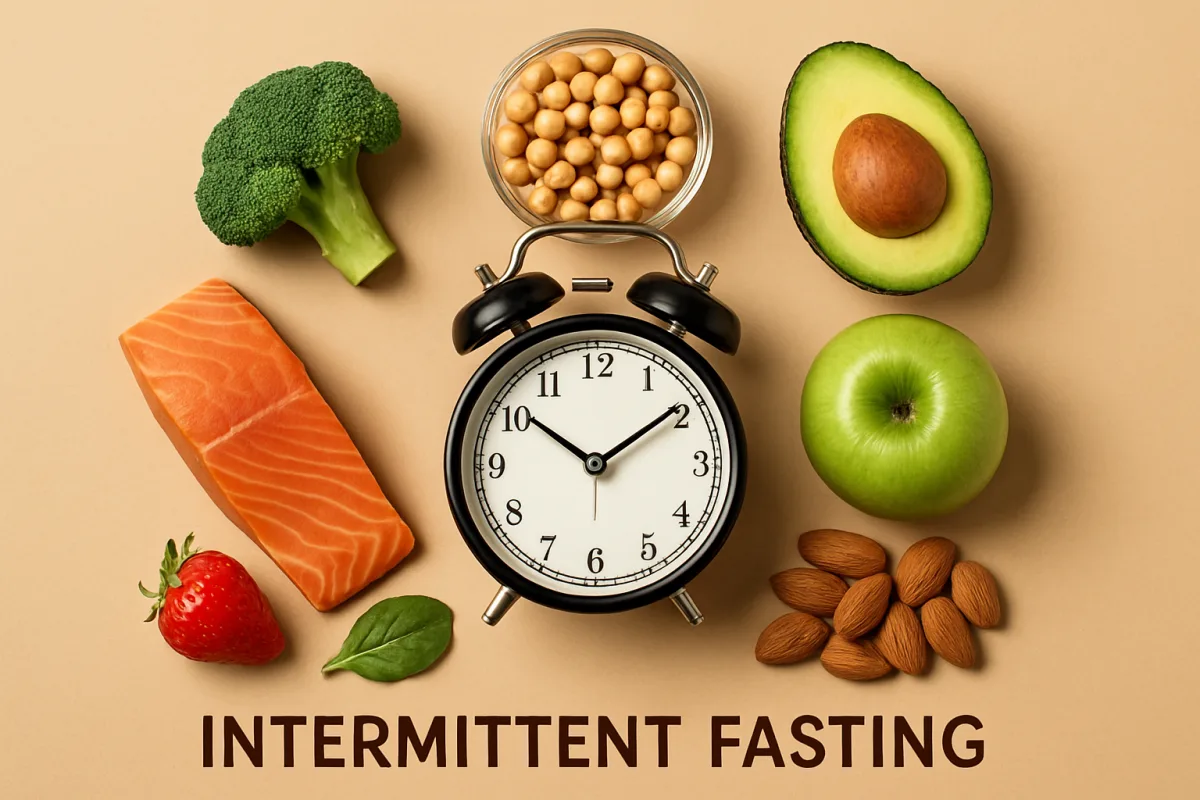
Intermittent fasting (IF) is an eating pattern that alternates between periods of fasting and eating. It has gained popularity for weight loss due to its simplicity and effectiveness. Studies suggest that IF can help reduce body weight, improve metabolic health, and enhance fat loss while preserving muscle mass. However, it may not be suitable for everyone, and individual results can vary based on adherence and lifestyle factors.
Quick Summary
Intermittent fasting is an effective weight loss strategy that involves cycling between eating and fasting periods. It may help with fat loss and metabolic health, but individual results can vary. Understanding the different methods and their implications is crucial for success.
Curator Notes
Intermittent fasting (IF) has emerged as a popular approach for weight loss, characterized by its focus on when to eat rather than what to eat. Common methods include the 16/8 method, where individuals fast for 16 hours and eat during an 8-hour window, and the 5:2 diet, which involves eating normally for five days and restricting calories to around 500-600 for two non-consecutive days. Research indicates that IF can lead to significant weight loss and improvements in metabolic health markers, such as insulin sensitivity and cholesterol levels.
However, intermittent fasting may not be suitable for everyone. Individuals with certain health conditions, such as diabetes or eating disorders, should consult healthcare professionals before starting an IF regimen. Additionally, the success of IF often depends on personal preferences and lifestyle compatibility.
Those who find it challenging to adhere to strict eating windows may consider alternative weight loss strategies that focus on balanced nutrition and regular physical activity.
Recommended Options
- 16/8 Method: Best for Individuals looking for a straightforward fasting schedule. This method is easy to follow and fits well into most lifestyles. Signal checked: Widely endorsed by nutritionists and supported by numerous studies. Alternative to consider: 5:2 Diet
- 5: 2 Diet: Best for Those who prefer flexibility in their eating patterns. Allows for normal eating on most days, making it less restrictive. Signal checked: Research shows effectiveness in weight loss and metabolic health. Alternative to consider: Alternate-Day Fasting
- Alternate-Day Fasting: Best for Individuals seeking significant weight loss over time. Signal checked: Supported by clinical trials demonstrating weight loss benefits. Alternative to consider: Time-Restricted Eating
Best Sources
Videos and Community Signals
Have you tried #IntermittentFasting for #WeightLoss? RUSH medical weight management physician Naomi Parrella, MD, breaks ...
Learn how to do intermittent fasting for serious weight loss and intermittent fasting weight loss results for beginners!
Comparison
| Decision Point | Good Starting Choice | When to Go Further |
|---|---|---|
| Ease of Adherence | 16/8 Method is simple and fits most lifestyles. | 5:2 Diet offers flexibility but requires more planning. |
| Weight Loss Potential | 16/8 Method shows moderate results. | Alternate-Day Fasting can lead to more significant weight loss. |
| Health Benefits | All methods improve metabolic health. | 5:2 Diet may offer additional benefits for insulin sensitivity. |
FAQ
No, it may not be suitable for individuals with certain health conditions. Consulting a healthcare professional is recommended.
Yes, water, black coffee, and tea are generally allowed during fasting.
Weight regain is possible if healthy eating habits are not maintained after stopping.