Mesh WiFi Systems Compared
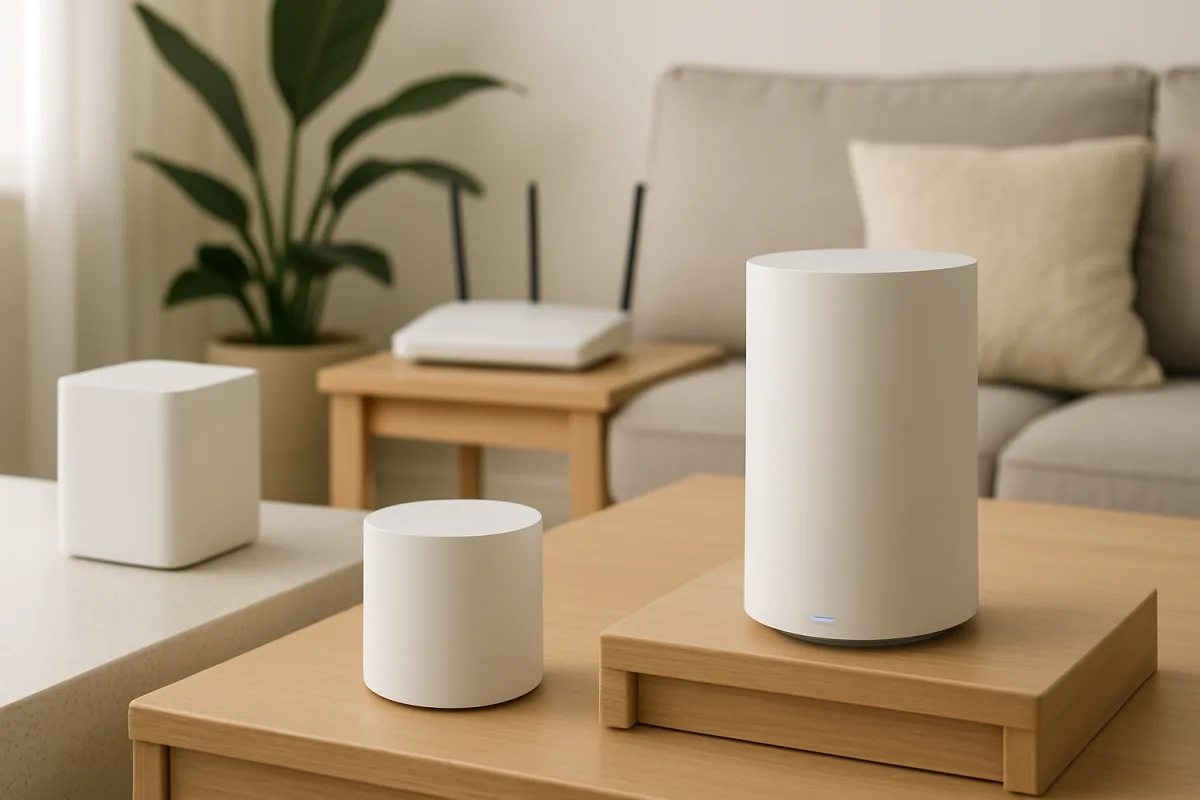
When comparing mesh WiFi systems, consider options like the Netgear Orbi, Google Nest WiFi, and Eero Pro. The Netgear Orbi excels in speed and coverage, making it ideal for larger homes. Google Nest WiFi integrates seamlessly with smart home devices, while Eero Pro offers easy setup and management. Each system has unique features, so your choice should align with your specific needs, such as coverage area, device compatibility, and budget.
Quick Summary
This guide compares popular mesh WiFi systems, focusing on their strengths and ideal use cases. Key options include Netgear Orbi for extensive coverage, Google Nest WiFi for smart home integration, and Eero Pro for user-friendly management. Understanding these differences will help you choose the best system for your needs.
Curator Notes
Mesh WiFi systems are designed to provide seamless internet coverage throughout your home by using multiple nodes that communicate with each other. This setup is particularly beneficial for larger spaces or homes with thick walls that can obstruct traditional routers. The primary advantage of mesh systems is their ability to eliminate dead zones and maintain strong connectivity across various rooms.
Among the top contenders, the Netgear Orbi stands out for its exceptional speed and coverage capabilities, making it suitable for larger homes or those with high internet usage. On the other hand, Google Nest WiFi offers excellent integration with smart home devices, making it a favorite for users who prioritize home automation. Eero Pro is known for its easy setup and management through a user-friendly app, appealing to those who may not be tech-savvy but still want robust performance.
Ultimately, the best mesh WiFi system for you will depend on your specific needs, such as the size of your home, the number of devices you connect, and your budget. Each system has its strengths, so evaluating these factors will guide you to the right choice.
Recommended Options
- Netgear Orbi: Best for Large homes needing extensive coverage Exceptional speed and range, ideal for heavy internet users. Signal checked: Highly rated for performance and reliability. Alternative to consider: TP-Link Deco M5 for a budget-friendly option.
- Google Nest WiFi: Best for Smart home integration Seamless compatibility with Google Home devices. Signal checked: Popular among smart home enthusiasts. Alternative to consider: Amazon Eero for similar features with different app experience.
- Eero Pro: Best for Easy setup and management User-friendly app and straightforward installation. Signal checked: Well-reviewed for its simplicity and performance. Alternative to consider: Linksys Velop for a more customizable experience.
Best Sources
Videos and Community Signals
These are our TOP Wi-Fi 7 Mesh Wireless Routers! Product links are listed below. Please subscribe and ring the Bell Notification, ...
Everything in my setup can be found here https://bit.ly/givemchills1 ⬇️Socials⬇️ Twitch » https://Twitch.tv/GivemChills Twitter ...
Comparison
| Decision Point | Good Starting Choice | When to Go Further |
|---|---|---|
| Coverage Area | Up to 3,000 sq ft | Up to 5,000 sq ft or more with additional nodes |
| Smart Home Compatibility | Basic integration with smart devices | Full integration with multiple ecosystems (Google, Alexa) |
| Ease of Setup | Simple app-based setup | Advanced configuration options for tech-savvy users |
FAQ
A mesh WiFi system consists of multiple nodes that work together to provide seamless internet coverage throughout a home.
Consider factors like coverage area, number of devices, smart home compatibility, and budget when selecting a mesh WiFi system.