Plant Based Diet Beginner Guide
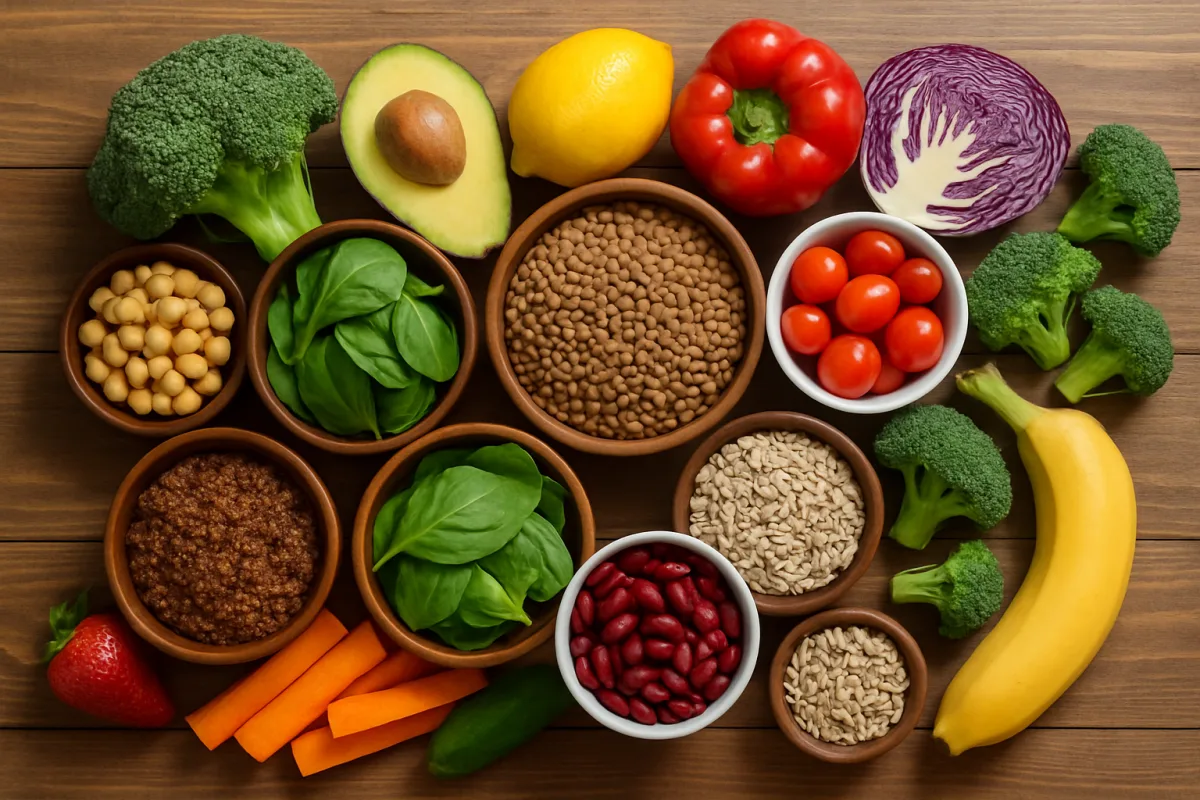
A plant-based diet focuses primarily on foods derived from plants, including fruits, vegetables, nuts, seeds, oils, whole grains, legumes, and beans. This diet can lead to numerous health benefits, such as weight loss, improved heart health, and reduced risk of chronic diseases. Beginners should start by gradually incorporating more plant foods into their meals, exploring new recipes, and understanding nutritional needs to ensure a balanced intake of protein, vitamins, and minerals. It's also important to read labels and be aware of hidden animal products in processed foods.
Quick Summary
Transitioning to a plant-based diet can be both rewarding and manageable for beginners. Start by focusing on whole foods like fruits, vegetables, and grains, while gradually reducing animal products. Understanding nutritional balance is key, so consider protein sources like legumes and nuts. Meal planning and exploring diverse recipes can make the shift enjoyable and sustainable. This guide provides practical tips and insights to help you embark on your plant-based journey effectively.
Curator Notes
Adopting a plant-based diet can be a transformative experience, especially for beginners. The key is to start slowly, incorporating more plant foods into your meals rather than making abrupt changes. This gradual approach helps ease the transition and allows you to discover new flavors and textures without feeling overwhelmed.
Focus on whole foods such as fruits, vegetables, whole grains, legumes, nuts, and seeds. These foods are not only nutritious but also versatile. Experimenting with different recipes can keep your meals exciting and help you find what you love.
Consider joining online communities or local groups where you can share recipes and tips with others who are also exploring plant-based eating. Understanding nutritional balance is crucial. While plant-based diets can provide ample vitamins and minerals, ensure you're getting enough protein, iron, calcium, and vitamin B12.
Foods like lentils, chickpeas, quinoa, tofu, and fortified plant milks can help meet these needs. It's also wise to consult with a nutritionist if you're unsure about your dietary requirements. Be mindful of processed foods labeled as 'plant-based.' While they may seem healthy, some can be high in sugars, unhealthy fats, and sodium.
Always read ingredient labels to avoid hidden animal products and unhealthy additives. Cooking from scratch using whole ingredients is often the best way to ensure you're eating healthily. Meal planning can be a game-changer.
Set aside time each week to plan your meals and snacks. This not only saves time but also helps you make healthier choices and reduces the temptation to revert to convenience foods. Batch cooking and freezing meals can also be beneficial for busy days.
Lastly, remember that everyone's journey is unique. Don’t be too hard on yourself if you slip up or find it challenging at times. The goal is to create a sustainable lifestyle that works for you, so celebrate your progress, no matter how small.
With patience and persistence, a plant-based diet can become a fulfilling part of your life.
Recommended Options
- Beyond Meat Burger: Best for Those seeking a meat alternative with similar taste and texture. Offers a plant-based burger that closely mimics beef, making it easier for meat lovers to transition. Signal checked: Widely praised in reviews for its flavor and texture, and available in many grocery stores. Alternative to consider: Impossible Burger
- Oatly Oat Milk: Best for Individuals looking for a dairy milk alternative. Creamy texture and versatility in cooking and baking. Signal checked: Popular among consumers and often recommended by baristas for coffee. Alternative to consider: Almond Milk
- Nutiva Organic Chia Seeds: Best for Adding plant-based omega-3s and fiber to meals. High in nutrients and can be easily incorporated into smoothies, oatmeal, or baked goods. Signal checked: Highly rated for quality and nutritional benefits. Alternative to consider: Flaxseeds
Best Sources
Videos and Community Signals
To work with Dr. Laurie Marbas, visit: https://www.drmarbas.com/?el=yt In this "The Doctor Is In" episode: Dr. Laurie Marbas ...
Rich Roll presents a master class on plant-based nutrition, breaking down the latest research and wisdom shared by physicians ...
Comparison
| Decision Point | Good Starting Choice | When to Go Further |
|---|---|---|
| Nutritional Balance | Focus on fruits and vegetables for vitamins. | Incorporate legumes and whole grains for protein. |
| Meal Planning | Plan meals weekly to avoid last-minute choices. | Batch cook and freeze meals for convenience. |
| Ingredient Awareness | Read labels for hidden animal products. | Opt for whole foods over processed options. |
FAQ
Focus on whole foods like fruits, vegetables, grains, legumes, nuts, and seeds.
Yes, when well-planned, it can provide all necessary nutrients and health benefits.
Include sources like lentils, chickpeas, tofu, and nuts in your meals.