AI Tools for Data Analysis
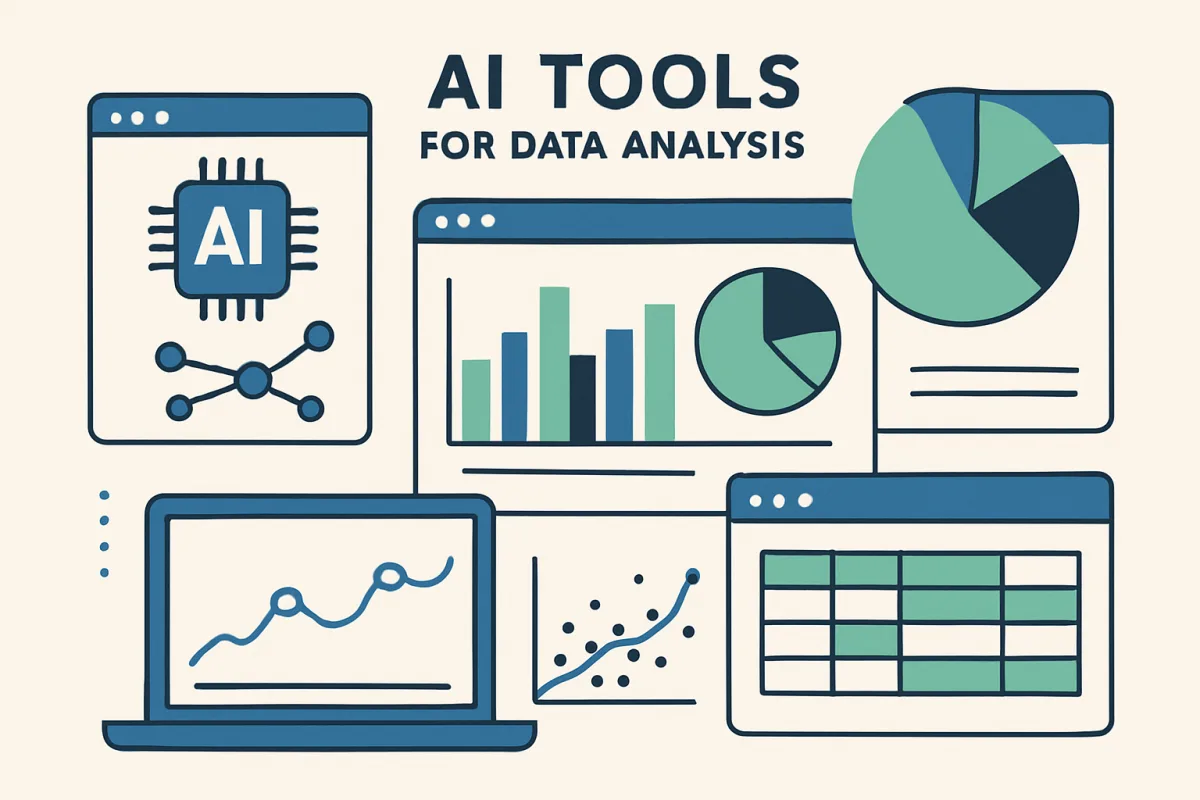
AI tools for data analysis enhance the ability to process, visualize, and interpret large datasets efficiently. Popular options include Tableau for visualization, RapidMiner for machine learning, and Google Cloud AI for comprehensive data solutions. Each tool has unique strengths, making them suitable for different user needs, from beginner analysts to advanced data scientists.
Quick Summary
This guide explores various AI tools for data analysis, highlighting their features, strengths, and ideal use cases. Tools like Tableau, RapidMiner, and Google Cloud AI stand out for their capabilities in data visualization, machine learning, and cloud-based analytics. Understanding these options can help users select the right tool for their specific needs.
Curator Notes
AI tools for data analysis are designed to streamline the process of extracting insights from large datasets. Tableau is renowned for its powerful visualization capabilities, allowing users to create interactive dashboards that make data interpretation intuitive. It's particularly beneficial for businesses looking to present data findings clearly to stakeholders.
On the other hand, RapidMiner offers a robust platform for data mining and machine learning. It's ideal for users who want to build predictive models without extensive programming knowledge. Its user-friendly interface and extensive library of algorithms make it a popular choice among data analysts.
For those seeking a comprehensive, cloud-based solution, Google Cloud AI provides a suite of tools that integrate seamlessly with other Google services. This platform is particularly advantageous for organizations already using Google Workspace, as it allows for easy data management and analysis in a collaborative environment. Ultimately, the choice of tool depends on the specific needs of the user, including their level of expertise, the complexity of the data, and the desired outcomes of the analysis.
Recommended Options
- Tableau: Best for Data visualization and business intelligence Offers powerful visualization tools and interactive dashboards. Signal checked: Widely used in enterprises, with high user satisfaction ratings. Alternative to consider: Microsoft Power BI
- RapidMiner: Best for Data mining and machine learning User-friendly interface with extensive algorithm support. Signal checked: Popular among data scientists for its ease of use. Alternative to consider: KNIME
- Google Cloud AI: Best for Comprehensive cloud-based data analysis Integrates well with Google services and offers scalable solutions. Signal checked: Strong adoption in organizations using Google Workspace. Alternative to consider: AWS AI Services
Best Sources
Videos and Community Signals
9 of the Best AI Tools for Analysts you need to try in 2025! Get the FREE ChatGPT & Excel Workflow Guide from Hubspot: ...
Fabi.ai → https://www.fabi.ai/?via=matt Resume template HERE https://thdatapoint.substack.com/ In this video, I show you how ...
Comparison
| Decision Point | Good Starting Choice | When to Go Further |
|---|---|---|
| Ease of Use | Tableau - Great for beginners with intuitive drag-and-drop features. | RapidMiner - Offers advanced capabilities for experienced users. |
| Visualization Capabilities | Tableau - Excellent for creating interactive dashboards. | Google Cloud AI - Good for integrating visualization with other analytics. |
| Machine Learning Support | RapidMiner - User-friendly for building models. | Google Cloud AI - Offers advanced machine learning tools and scalability. |
FAQ
Tableau is often recommended for beginners due to its intuitive interface and strong visualization capabilities.
Yes, tools like Google Cloud AI are designed to manage and analyze large datasets efficiently.
Not necessarily. Tools like RapidMiner and Tableau offer no-code options, making them accessible to non-programmers.