How to Build Financial Discipline
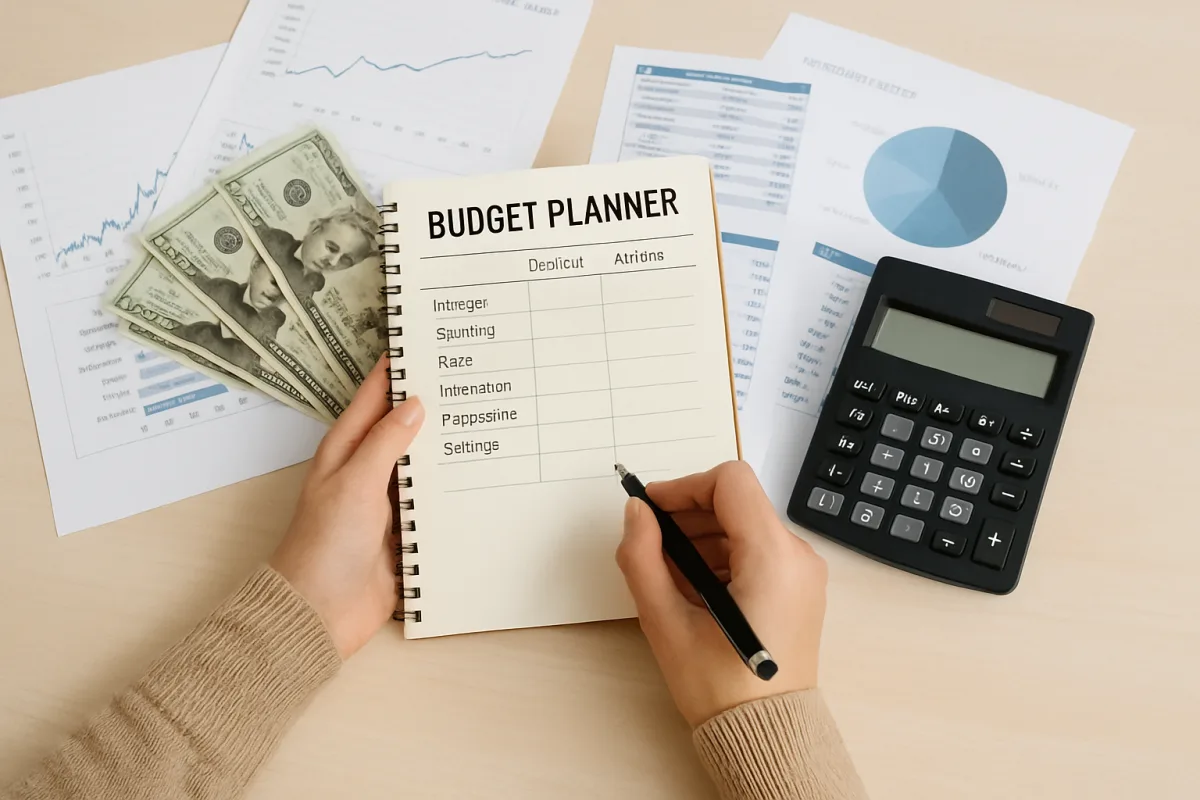
Building financial discipline involves creating a structured approach to managing your money effectively. Start by setting clear financial goals, tracking your expenses, and developing a budget that aligns with your income. Establishing automatic savings and investment contributions can also help reinforce discipline. Additionally, educating yourself about personal finance and seeking accountability from peers or professionals can enhance your commitment to financial goals.
Quick Summary
Financial discipline is essential for effective money management. Key steps include setting clear goals, budgeting, tracking expenses, and automating savings. Education and accountability further support this discipline.
Curator Notes
To build financial discipline, begin by defining your financial goals. These could range from saving for retirement to paying off debt. Clearly articulated goals provide motivation and a roadmap for your financial journey.
Once your goals are set, create a budget that reflects your income and expenses. This will help you understand where your money goes and identify areas for potential savings. Tracking your expenses is crucial in maintaining discipline.
Use apps or spreadsheets to monitor your spending habits. This awareness can highlight unnecessary expenditures and encourage more mindful spending. Additionally, consider automating your savings and investments.
Setting up automatic transfers to savings accounts or investment platforms can help you save consistently without the temptation to spend that money. Finally, educating yourself about personal finance is vital. Read books, attend workshops, or follow financial experts online.
Engaging with a community or finding an accountability partner can also reinforce your commitment to financial discipline, making it easier to stay on track.
Recommended Options
- YNAB (You Need A Budget): Best for Individuals seeking to gain control over their finances YNAB offers a proactive budgeting approach that encourages users to allocate every dollar effectively. Signal checked: Highly rated on review platforms with a strong user community. Alternative to consider: Mint
- Intuit Mint: Best for Users looking for a free budgeting tool Mint provides a comprehensive overview of finances, including budgeting, tracking expenses, and credit score monitoring. Signal checked: Widely used with positive reviews for its user-friendly interface. Alternative to consider: PocketGuard
- Acorns: Best for New investors wanting to start small Acorns rounds up purchases to invest spare change automatically, making investing accessible. Signal checked: Popular among beginner investors, with millions of users. Alternative to consider: Stash
Best Sources
Videos and Community Signals
Discover the power of financial discipline! We uncover how those who said 'no' to unnecessary expenses, even when young, ...
In this video, I'll teach you my 12-week plan to RESET your finances. This should take you about 90 days. Let me know if you ...
Comparison
| Decision Point | Good Starting Choice | When to Go Further |
|---|---|---|
| Budgeting Method | Use a simple spreadsheet for basic tracking. | Implement a dedicated budgeting app like YNAB for proactive management. |
| Expense Tracking | Manually track expenses weekly. | Automate expense tracking with apps like Mint. |
| Savings Strategy | Set aside a fixed amount monthly. | Automate savings transfers to ensure consistent contributions. |
FAQ
Financial discipline refers to the ability to manage your finances responsibly, making informed decisions that align with your financial goals.
You can improve your financial discipline by setting clear goals, creating a budget, tracking your spending, and automating savings.
It helps you achieve your financial goals, avoid debt, and build wealth over time.