Jobs That Are Hard to Automate
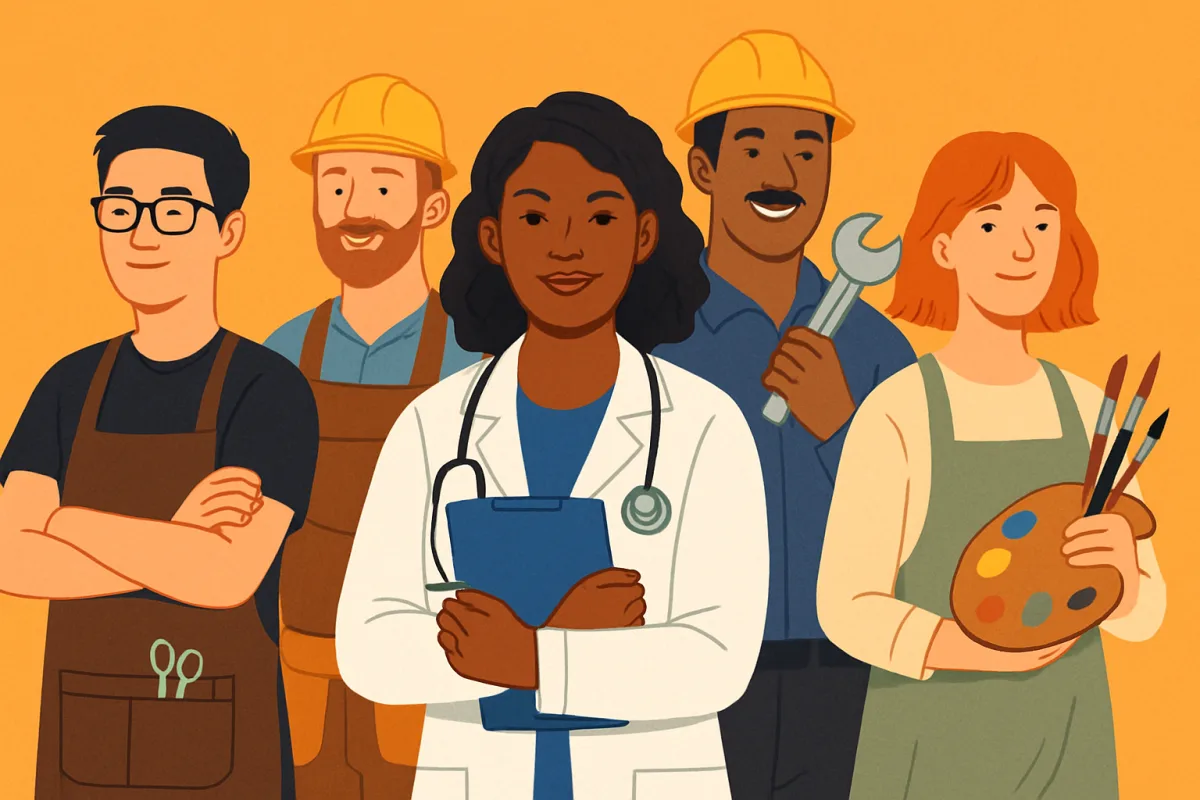
Jobs that are hard to automate typically involve complex human interactions, creativity, and critical thinking. Roles such as healthcare professionals, skilled tradespeople, and creative artists require nuanced decision-making and emotional intelligence, making them less susceptible to automation. Additionally, jobs that require physical dexterity or adaptability in unpredictable environments, like emergency responders or therapists, are also challenging to automate due to the inherent unpredictability and need for human empathy.
Quick Summary
Certain jobs are inherently resistant to automation due to their reliance on human skills such as creativity, emotional intelligence, and complex problem-solving. Roles in healthcare, skilled trades, and creative industries exemplify this trend, as they require nuanced human interactions and adaptability that machines cannot replicate effectively.
Curator Notes
The landscape of employment is evolving rapidly with advancements in technology, but not all jobs are equally vulnerable to automation. Positions that require a high degree of emotional intelligence, such as therapists or social workers, are difficult to automate because they rely on human empathy and nuanced understanding of human behavior. These roles often involve complex interpersonal interactions that machines cannot replicate effectively.
Similarly, skilled trades like electricians and plumbers are hard to automate due to the need for physical dexterity and the ability to adapt to unpredictable environments. These jobs often require on-site problem-solving and manual skills that are challenging for robots to mimic. Creative professions, including artists, writers, and designers, also resist automation, as they rely on original thought and emotional expression, which are inherently human traits.
As technology continues to advance, understanding which jobs are less likely to be automated can help guide career choices in the future.
Recommended Options
- Healthcare Professionals: Best for Individuals seeking stable and impactful careers. Healthcare roles require empathy, critical thinking, and complex decision-making. Signal checked: High demand for healthcare workers and ongoing shortages in many regions. Alternative to consider: Skilled trades like electricians or plumbers.
- Skilled Trades: Best for Those who enjoy hands-on work and problem-solving. These jobs require adaptability and physical skills in unpredictable environments. Signal checked: Consistent demand for skilled tradespeople in construction and maintenance. Alternative to consider: Technical roles in engineering or IT support.
- Creative Professionals: Best for Individuals with strong creative skills and original thought. Creativity and emotional expression are uniquely human traits. Signal checked: Growing industries in arts, media, and design. Alternative to consider: Marketing and branding roles that require strategic thinking.
Best Sources
Videos and Community Signals
If you are working a job that AI can do, you may want to rethink your position. Catch the full episode on @thesabastianshoww ...
Top 10 Jobs That AI Can't Replace ▻ Moomoo: Deposit $100 to get up to 10 fractional shares (4.17-5.28) + 5.1% APY on ...
Comparison
| Decision Point | Good Starting Choice | When to Go Further |
|---|---|---|
| Job Type | Healthcare roles for stability and impact. | Creative roles for innovation and expression. |
| Skills Required | Empathy and communication skills. | Creative thinking and adaptability. |
| Job Security | High demand in healthcare. | Growing opportunities in creative industries. |
FAQ
Jobs that involve repetitive tasks, data entry, and basic customer service are most at risk of automation.
Focus on developing skills in emotional intelligence, creativity, and complex problem-solving.