NFTs Explained Without the Hype
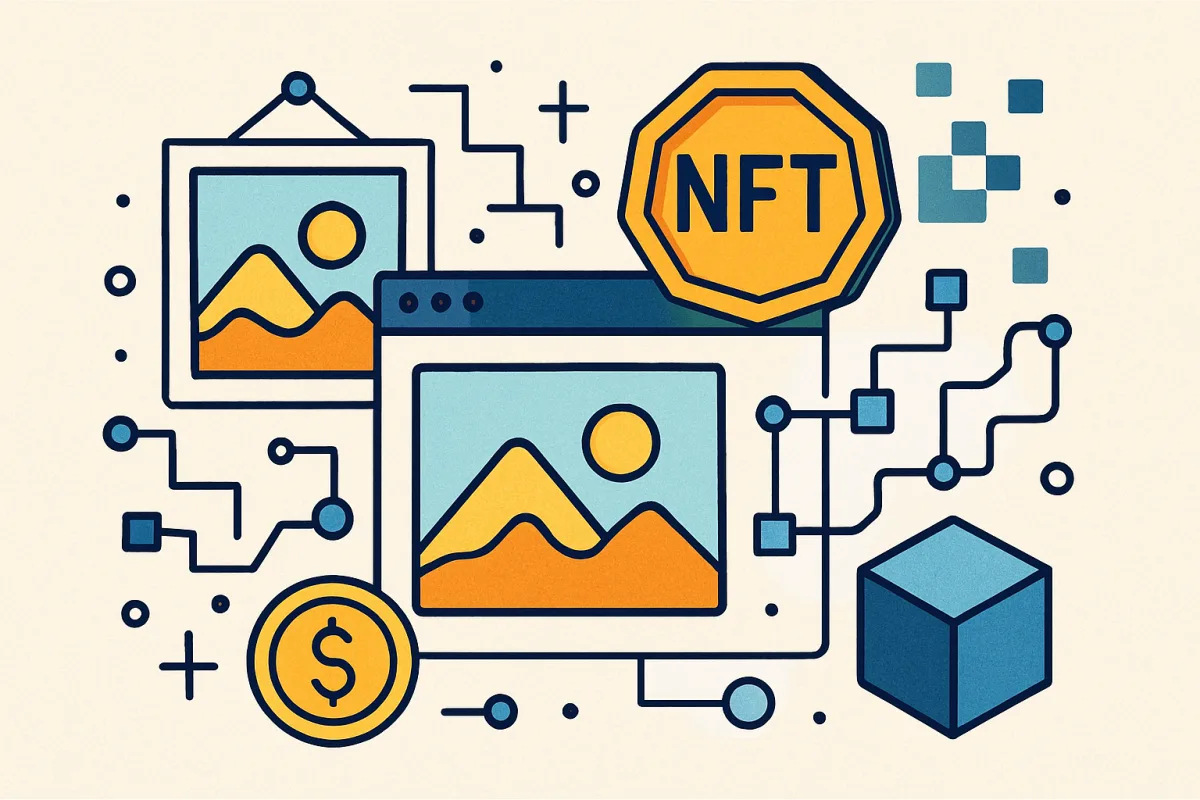
NFTs, or Non-Fungible Tokens, are unique digital assets verified using blockchain technology. Unlike cryptocurrencies, which are fungible and can be exchanged for one another, NFTs represent ownership of a specific item or piece of content, such as art, music, or virtual real estate. They have gained popularity for their ability to provide provenance and authenticity, making them valuable for collectors and creators alike.
Quick Summary
NFTs are unique digital assets on the blockchain, representing ownership of specific items like art or music. They differ from cryptocurrencies by being non-fungible, providing authenticity and provenance, which appeals to collectors and creators.
Curator Notes
NFTs, or Non-Fungible Tokens, are a revolutionary concept in the digital landscape, representing ownership of unique items or content on a blockchain. Each NFT is distinct and cannot be exchanged on a one-to-one basis like cryptocurrencies. This uniqueness is what gives NFTs their value, as they can represent anything from digital art to music, virtual real estate, and even tweets.
The underlying technology ensures that ownership is verifiable and secure, making it an appealing option for both creators and collectors. The rise of NFTs has sparked debates about their environmental impact, as the blockchain technology used can be energy-intensive. However, many platforms are now exploring more sustainable options.
Additionally, while NFTs can offer significant financial rewards, they also come with risks, including market volatility and potential copyright issues. Understanding these factors is crucial for anyone looking to engage in the NFT space, whether as a buyer, seller, or creator.
Best Sources
Videos and Community Signals
The NFT craze hit the investing community in the early 2020s. People spent tons of money to secure this new form of crypto in the ...
NFTs aren't just digital art anymore. In this video, I break down what NFTs really are today, how people create and buy them, and ...
Comparison
| Decision Point | Good Starting Choice | When to Go Further |
|---|---|---|
| Online booking | A simple booking page with service duration, staff assignment and confirmation emails. | Multi-location calendars, deposits, cancellation rules and waitlist handling. |
| Client records | Basic notes, visit history and contact details are enough to start. | Segmentation, purchase history, memberships, forms and before-after notes become more important. |
| Reminders | SMS or email reminders help reduce no-shows without adding admin work. | Automated rebooking, follow-up campaigns and missed-appointment recovery matter more. |
| Payments | Card capture and checkout should be simple and transparent. | Packages, memberships, staff commissions, tips and refunds need cleaner reporting. |
| Marketing | Light email or SMS campaigns are useful if they are easy to run. | Automated win-back, birthday offers, review requests and audience segments create more leverage. |
FAQ
NFTs are primarily used for representing ownership of digital art, music, virtual real estate, and collectibles, allowing creators to monetize their work.
To buy an NFT, you'll need a digital wallet, some cryptocurrency (usually Ethereum), and access to an NFT marketplace like OpenSea or Rarible.
NFTs can be a good investment, but they are highly speculative and come with risks. It's essential to do thorough research before investing.