Plant Based Protein Sources Ranked
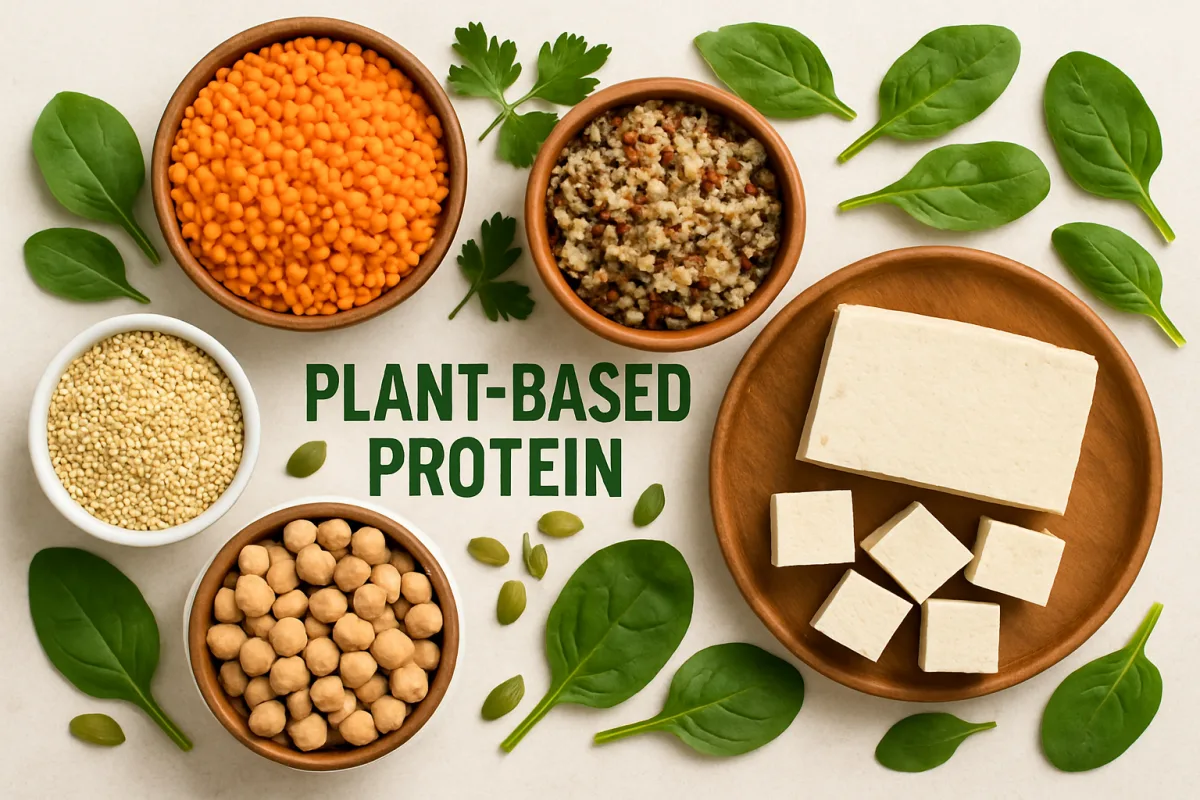
Plant-based protein sources are diverse and can cater to various dietary needs. Some of the top options include lentils, chickpeas, quinoa, and tofu. Lentils are rich in protein and fiber, making them a great choice for heart health. Chickpeas are versatile and can be used in salads, stews, or made into hummus. Quinoa is a complete protein, containing all nine essential amino acids, while tofu is a popular meat substitute that absorbs flavors well. Each option has unique benefits, making them suitable for different culinary uses and nutritional needs.
Quick Summary
Plant-based protein sources like lentils, chickpeas, quinoa, and tofu offer diverse nutritional benefits. Lentils provide fiber and protein, chickpeas are versatile, quinoa is a complete protein, and tofu serves as an excellent meat substitute. Understanding these options can help you make informed dietary choices.
Curator Notes
Plant-based protein sources are essential for those looking to enhance their diet with nutritious, non-animal-based options. Lentils, for instance, are not only high in protein but also rich in fiber, which supports digestive health and can help lower cholesterol levels. They are easy to incorporate into various dishes, from soups to salads, making them a staple in many vegetarian and vegan diets.
Chickpeas are another excellent choice, known for their versatility. They can be used in a variety of cuisines, whether in salads, stews, or blended into hummus. Their high protein content, combined with beneficial nutrients like iron and magnesium, makes them a popular option among health-conscious individuals.
Quinoa stands out as a complete protein, meaning it contains all nine essential amino acids that the body cannot produce on its own. This makes it particularly valuable for vegetarians and vegans. Additionally, quinoa is gluten-free and can be used as a base for salads or as a side dish.
Tofu, made from soybeans, is a well-known meat substitute that easily absorbs flavors, making it a favorite in stir-fries and other dishes. Each of these sources brings unique benefits to the table, allowing for a varied and nutritious diet.
Recommended Options
- Lentils: Best for Heart health and high fiber intake Rich in protein and fiber, versatile in cooking Signal checked: Highly recommended by nutritionists for heart health Alternative to consider: Black beans
- Chickpeas: Best for Versatile cooking applications Can be used in various dishes and high in protein Signal checked: Popular in Mediterranean diets and praised for nutrient density Alternative to consider: Edamame
- Quinoa: Best for Complete protein source Contains all essential amino acids and gluten-free Signal checked: Often recommended in health articles for balanced diets Alternative to consider: Amaranth
- Tofu: Best for Meat substitute in various dishes Absorbs flavors well and is high in protein Signal checked: Widely used in vegetarian and vegan recipes Alternative to consider: Tempeh
Best Sources
Videos and Community Signals
Plant protein is incredibly abundant. Common and cheap plant foods are sources of plentiful plant protein. A look at plant based ...
In this video I go over all of the common high protein plant foods and rank them in a tier list, best to worst. I judge them on how ...
Comparison
| Decision Point | Good Starting Choice | When to Go Further |
|---|---|---|
| Protein content | Lentils (18g per cooked cup) | Quinoa (8g per cooked cup, complete protein) |
| Versatility in cooking | Chickpeas (great for salads and dips) | Tofu (can be grilled, stir-fried, or blended) |
| Nutritional benefits | Lentils (high in fiber) | Quinoa (contains all essential amino acids) |
FAQ
Top sources include lentils, chickpeas, quinoa, and tofu, each offering unique nutritional benefits.
You can add lentils to soups, use chickpeas in salads or hummus, cook quinoa as a side dish, and include tofu in stir-fries.