Plant Based Protein Vegan Guide
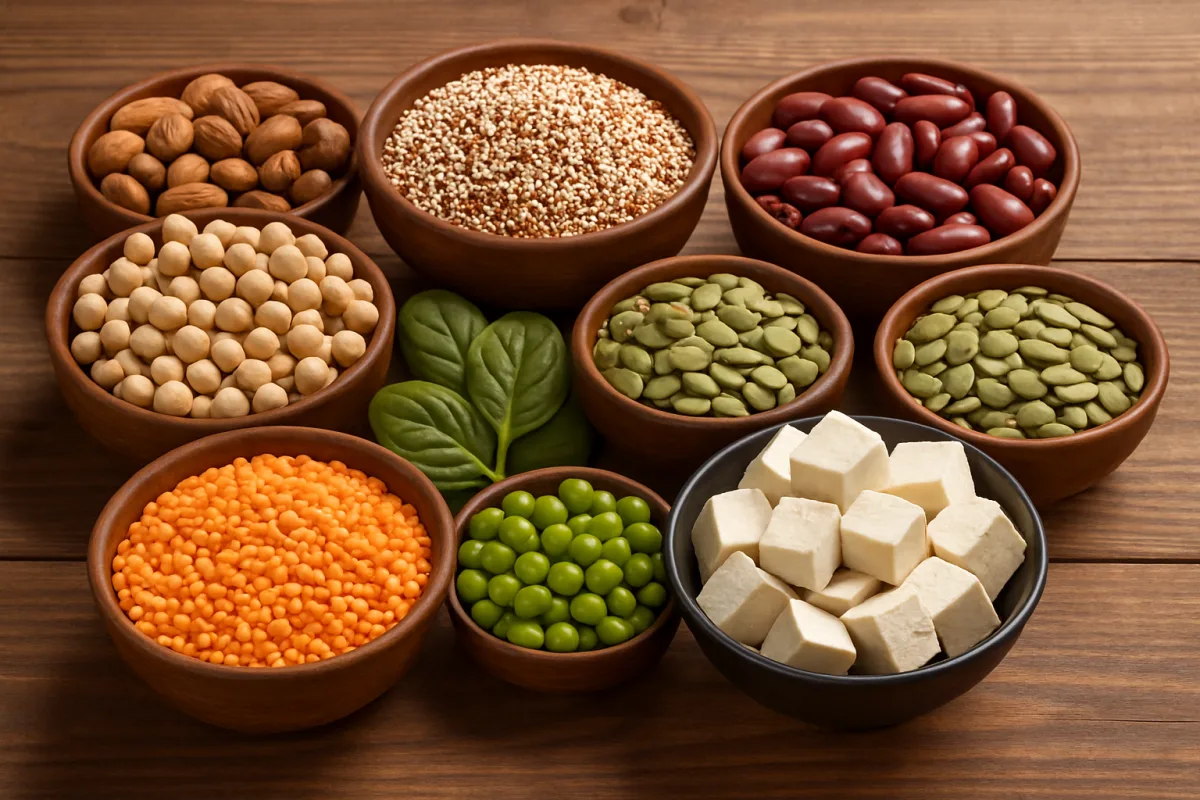
Plant-based proteins are derived from various sources like legumes, nuts, seeds, and grains. They provide essential amino acids and are often lower in saturated fat compared to animal proteins. Popular options include lentils, chickpeas, quinoa, and tofu. These proteins are not only nutritious but also environmentally friendly, making them a great choice for vegans and vegetarians. However, some plant proteins may lack certain amino acids, so it's important to combine different sources for a complete protein profile.
Quick Summary
Exploring plant-based proteins reveals a diverse range of options that cater to both nutritional needs and environmental concerns. Key sources include legumes like lentils and chickpeas, grains such as quinoa, and soy products like tofu. These proteins offer essential nutrients while being lower in saturated fats compared to animal-based options. However, it's crucial to combine various sources to ensure a complete amino acid profile, making meal planning essential for those following a vegan diet.
Curator Notes
Plant-based proteins are increasingly recognized for their health benefits and sustainability. They are derived from sources like legumes, nuts, seeds, and whole grains, offering a rich array of nutrients. For instance, lentils and chickpeas are not only high in protein but also packed with fiber, which aids digestion and promotes satiety.
Quinoa, often hailed as a superfood, is a complete protein, meaning it contains all nine essential amino acids, making it a staple for vegans and vegetarians. Tofu and tempeh, both made from soybeans, are versatile protein sources that can be incorporated into various dishes. Tofu is particularly noted for its ability to absorb flavors, making it a favorite in stir-fries and smoothies.
Tempeh, on the other hand, has a firmer texture and a nuttier flavor, which can enhance salads and sandwiches. These soy products also offer additional health benefits, including heart health and bone strength. While plant-based proteins are nutritious, there are some considerations to keep in mind.
Certain plant proteins may lack one or more essential amino acids, which are crucial for muscle repair and overall health. For example, while beans are high in protein, they are low in methionine. Therefore, combining different protein sources, such as rice and beans, can help create a complete amino acid profile.
Another important factor is the environmental impact of plant-based proteins. They generally require fewer resources to produce compared to animal proteins, making them a more sustainable choice. This aspect is increasingly significant for consumers who are conscious of their ecological footprint.
By choosing plant-based options, individuals can contribute to reducing greenhouse gas emissions and conserving water. When considering plant-based protein sources, it's also essential to be aware of potential allergens. For instance, soy is a common allergen, and some individuals may need to avoid it.
Alternatives like pea protein and hemp seeds can provide similar benefits without the allergenic concerns. Additionally, many brands now offer protein powders derived from these sources, catering to those looking to boost their protein intake conveniently. Meal planning is crucial for those following a vegan diet to ensure they meet their protein needs.
Incorporating a variety of plant-based proteins throughout the day can help achieve this. For example, a breakfast smoothie with pea protein, a lunch salad with chickpeas, and a dinner stir-fry with tofu can create a balanced intake of essential nutrients. In summary, plant-based proteins offer a wealth of benefits, from nutritional value to environmental sustainability.
By understanding the various sources and their unique properties, individuals can make informed choices that align with their dietary preferences and health goals.
Recommended Options
- Lentils: Best for Budget-conscious individuals seeking high protein and fiber Lentils are affordable, versatile, and rich in nutrients. Signal checked: Widely recommended by nutritionists for their health benefits. Alternative to consider: Chickpeas, which also offer similar nutritional profiles.
- Quinoa: Best for Those looking for a complete protein source Quinoa contains all essential amino acids and is gluten-free. Signal checked: Popular among health enthusiasts and often featured in health food articles. Alternative to consider: Brown rice, which is also nutritious but lacks some amino acids.
- Tofu: Best for Vegans and vegetarians seeking a versatile protein source Tofu is adaptable in various dishes and absorbs flavors well. Signal checked: Commonly used in plant-based recipes and endorsed by chefs. Alternative to consider: Tempeh, which has a firmer texture and higher protein content.
Best Sources
Videos and Community Signals
The vegan diet has been linkedTrusted Source to several health benefits in terms of nutrients, weight loss, and a lower chance of ...
Rich Roll presents a master class on plant-based nutrition, breaking down the latest research and wisdom shared by physicians ...
Comparison
| Decision Point | Good Starting Choice | When to Go Further |
|---|---|---|
| Protein content per serving | Lentils (18g per cup cooked) | Quinoa (8g per cup cooked) plus additional protein sources. |
| Amino acid profile | Lentils (low in methionine) | Quinoa (complete protein) plus beans for variety. |
| Environmental impact | Lentils (low water usage) | Tofu (requires more processing but still lower than meat). |
FAQ
Top sources include lentils, chickpeas, quinoa, tofu, and tempeh, each offering unique nutritional benefits.
Some plant proteins lack certain amino acids, so it's important to combine different sources for a complete profile.
Try adding legumes to salads, using tofu in stir-fries, or incorporating quinoa into your meals.