Prebiotic Foods to Add to Your Diet
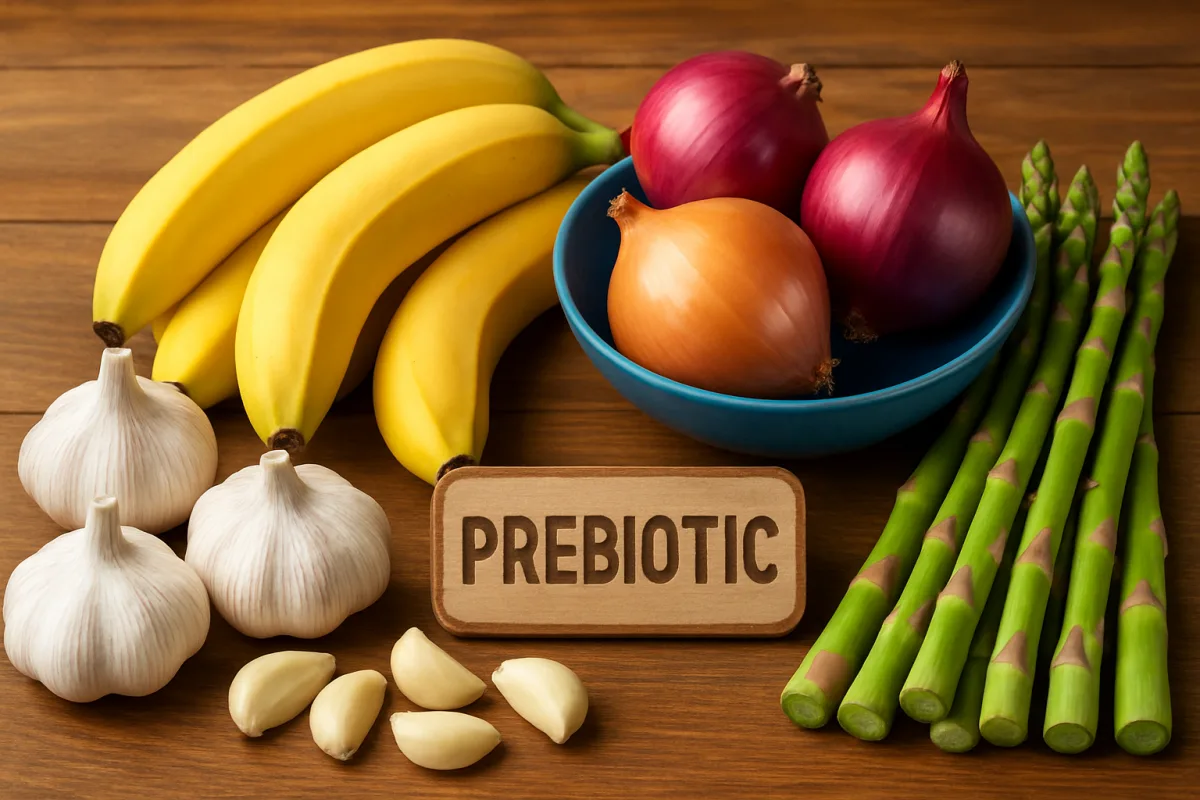
Incorporating prebiotic foods into your diet can significantly enhance gut health by promoting the growth of beneficial bacteria. Some top prebiotic foods include garlic, onions, leeks, asparagus, bananas, and whole grains. These foods are rich in dietary fibers such as inulin and fructooligosaccharides (FOS) that serve as food for probiotics. Adding these foods to your meals can improve digestion, boost immunity, and may even support mental health.
Quick Summary
Prebiotic foods are essential for gut health, promoting beneficial bacteria growth. Key options include garlic, onions, leeks, asparagus, bananas, and whole grains. These foods are rich in fibers that support digestion and overall health.
Curator Notes
Prebiotic foods play a crucial role in maintaining gut health by serving as nourishment for probiotics, the beneficial bacteria that reside in our intestines. Foods rich in prebiotics, such as garlic, onions, leeks, asparagus, bananas, and whole grains, contain dietary fibers like inulin and fructooligosaccharides (FOS). These fibers are not digestible by humans but are fermented by gut bacteria, leading to improved gut flora balance and overall digestive health.
Incorporating these foods into your diet can yield various health benefits, including enhanced digestion, a strengthened immune system, and even potential improvements in mental health. For instance, bananas are not only a convenient snack but also provide a significant amount of prebiotic fiber. Similarly, garlic and onions can easily be added to various dishes, enhancing flavor while promoting gut health.
By diversifying your intake of prebiotic foods, you can create a more balanced and healthful diet.
Recommended Options
- Garlic: Best for Flavor enhancement and gut health Garlic is rich in inulin, a potent prebiotic fiber that promotes beneficial gut bacteria. Signal checked: Widely recognized in health literature for its prebiotic properties. Alternative to consider: Onions
- Bananas: Best for Convenient snacking and digestive health Bananas are an excellent source of FOS and are easy to incorporate into meals. Signal checked: Popular among nutritionists for their gut health benefits. Alternative to consider: Apples
- Asparagus: Best for Nutrient-rich side dish Asparagus contains high levels of inulin and is versatile in cooking. Signal checked: Recommended by dietitians for its fiber content. Alternative to consider: Leeks
Best Sources
Videos and Community Signals
What's the difference between probiotics and prebiotics? They might sound the same, but they do different things in your body.
What ARE PREbiotics (different from PRObiotics), and how do they improve gut health? Are there prebiotic rich foods? (Hint: YES.)
Comparison
| Decision Point | Good Starting Choice | When to Go Further |
|---|---|---|
| Ease of incorporation into meals | Garlic and onions can be easily added to various dishes. | Asparagus may require more preparation but offers unique flavor. |
| Nutritional benefits | Bananas provide quick energy and fiber. | Leeks offer a more complex flavor profile and additional nutrients. |
FAQ
Prebiotic foods are non-digestible fibers that feed beneficial gut bacteria, promoting digestive health.
You can incorporate prebiotic foods by adding garlic, onions, bananas, and whole grains to your meals.